The Paradox of Development
Architectural Responsibility and Sustainability in Modern Cyprus

Observing and designing within the built environment of Cyprus over the pasttwo decades, we bear witness to an interesting yet deeply concerning paradox.The island has established itself as one of the most attractive destinationsfor acquiring a residence, consistently drawing immense interest, primarilyfrom abroad. The fundamental motivations behind this ongoing demand are clearand timeless: the unparalleled natural beauty of the Mediterranean landscape,the exceptional climate, and the promise of a simple, peaceful life with a highsense of security.
However, the scale and rapid pace at which this intense residential development is taking place in a small state like Cyprus are now puttingsuffocating pressure on the very system that feeds it. We are faced with aphenomenon where overdevelopment itself, driven by the desire for the"Cypriot way of life," is gradually tending to erode it. The island'score advantages are being seriously called into question.
The pressure exerted on public infrastructure is now evident. Road networks,waste management systems, and public utilities are tested daily to serve aconstantly growing volume of construction, which often precedes infrastructureplanning. Simultaneously, the island's precious and limited natural resources, primarily water and energy, are suffering unprecedented depletion. Beyondpractical issues, a deeper spatial alteration is being recorded. The sense oftranquility, the unobstructed contact with nature, and the clarity of thehorizon are diminishing, giving way to a dense and often anarchic sprawl that ignores the micro-scale of the local environment.
The answer to this challenge is not a complete halt to residential construction, which would be socially and economically unfeasible. It is, however, absolutely necessary to redefine the way we intervene in thelandscape. The emphasis must shift immediately to the importance of proper, high quality, and sustainable architectural design. As architects, we arecalled upon to act as regulators between market pressures and the actualendurance of the natural environment.
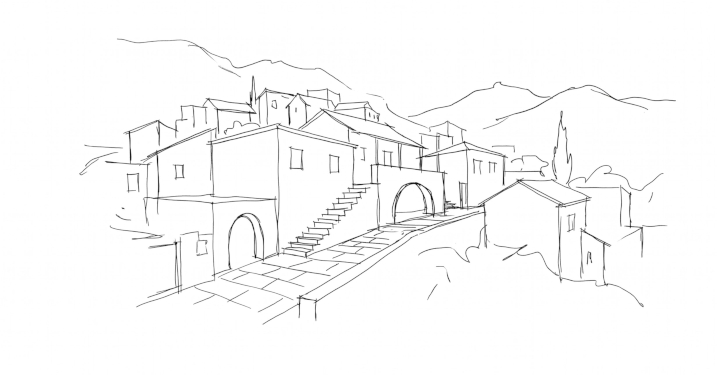
High quality architectural and urban design are the most essential tools for improving the built environment. By avoiding over elaborate design and unnecessary showiness, we can focus on the essence of habitation. A building with clean geometries, a proper scale that respects the topography, and an honest use of materials has a positive impact on its surroundings. Through the consistent creation of such high-quality spaces, architecture educates silently. It substantially helps in developing and elevating the aestheticcriteria of broader society, gradually creating a new demand for spaces distinguished by their functionality, harmony, and measure.
At the same time, environmental responsibility must be the central axis of every new project. Modern housing must apply radically eco-friendly solutions.This, requires the substantial integration of new technologies and practices from the very first sketch. Passive bioclimatic design is fundamental: properorientation to maximize natural light, cross ventilation, and strategic shading, drastically reduce energy needs before any mechanical system is even turned on.
Furthermore, it is essential to integrate high-efficiency active systems, properly incorporate photovoltaic elements into the building's morphology, and manage and reuse water resources. The selection of materials with a low energy footprint and the creation of planted spaces actively contribute to mitigating the urban heat island effect.
Cyprus is at a critical turning point in its residential evolution. If we wish to preserve the characteristics that make the island unique, the built environment must find a new balance with the natural one. High-quality and sustainable architectural design is not an abstract concept, but the only realistic tool we possess to ensure that development respects the place and leaves a positive, long-term footprint on the quality of life of its inhabitants.